




Looking for a Frenectomy Specialist in Denver ? We Specialize in Lip and Tongue Tie Release.
At GRiN Pediatric Dentistry & Orthodontics, we specialize in gentle laser frenectomies for infants, toddlers, and older children — because we know feeding struggles, speech delays, and sleep issues shouldn’t wait.
At GRiN, our frenectomy patients experience:
- Gentle laser treatment — no scissors, no stitches, no general anesthesia
- Safe for everyone — Newborns, toddlers, older kids and adults too.
- Expert care from Dr. Linda Murzyn-Dantzer, a nationally recognized frenectomy specialist
- Collaborative support with lactation consultants and feeding therapists
- 6 convenient Colorado locations — Lakewood, Northglenn, Centennial, Denver, Aurora & Brighton
Book Your Frenectomy Consult Today. We Promise to Make the Process Simple.
Schedule Your Appointment Online Today!
Lakewood Office Aurora Office Centennial Office Northglenn Office Denver Office Brighton Office
Signs a Frenectomy May Be Needed
We often see children with tethered oral tissues that haven’t been diagnosed until they begin experiencing symptoms. If your child has a tongue- or lip-tie and shows any of the signs below, we’re here to help.
Infants (Nursing or Bottle-Fed)
- Difficulty latching or staying latched
- Poor weight gain or “failure to thrive”
- Clicking sounds while feeding
- Excessive gas, reflux, or colic symptoms
- Fussiness when lying down or sleeping on their back
Toddlers and Young Children
- Feeding difficulties (especially with certain textures)
- Dental cavities in front upper or back lower teeth
- Snoring, teeth grinding, or bed-wetting
- Delayed speech or unclear articulation
Older Children and Teens
- Ongoing orthodontic issues (crowding, spacing)
- Long-term speech therapy with limited progress
- Headaches, jaw pain, or muscle tension
- High rate of cavities or gum recession
- Difficulty eating or smiling confidently
Why Families Choose GRiN for Frenectomy Treatment
Laser Precision, Less Discomfort
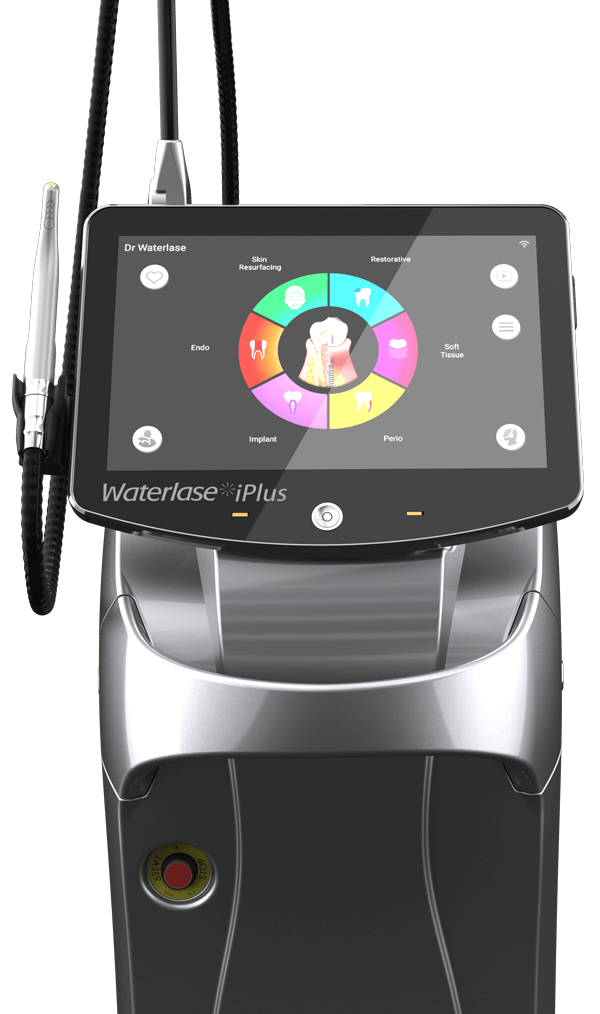
Our Waterlase laser means no scissors, no stitches, and typically no need for anesthesia — even in newborns. Less stress for your baby. Less worry for you.
A Full-Picture Evaluation
We don't just look at the tongue or lip. We assess head and neck tension, body symmetry, jaw development, and overall function — so nothing gets missed.
Collaborative Care Team
We work hand-in-hand with lactation consultants, feeding therapists, and bodywork providers before and after the procedure to support the best possible outcome.
Same-Day Treatment Available
In many cases, we can perform the procedure at the same visit as the consultation. We know your time — and your child's progress — matters.
Meet Dr. Linda Murzyn-Dantzer
Dr. Linda Murzyn-Dantzer is a Harvard-trained pediatric dentist and one of the country’s leading authorities on laser frenectomy. After earning her Master’s and Certificate in Pediatric Dentistry at the University of Michigan, she served as an Assistant Professor at the University of Colorado and as attending faculty at Children’s Hospital Colorado for 15 years. Today, families travel from across Colorado — and beyond — to have Dr. Linda treat their children. She also lectures nationally, sharing her expertise with dentists everywhere.
Meet Dr. Linda
Frequently Asked Questions
-
What to Expect at Your Child’s Frenectomy Visit?
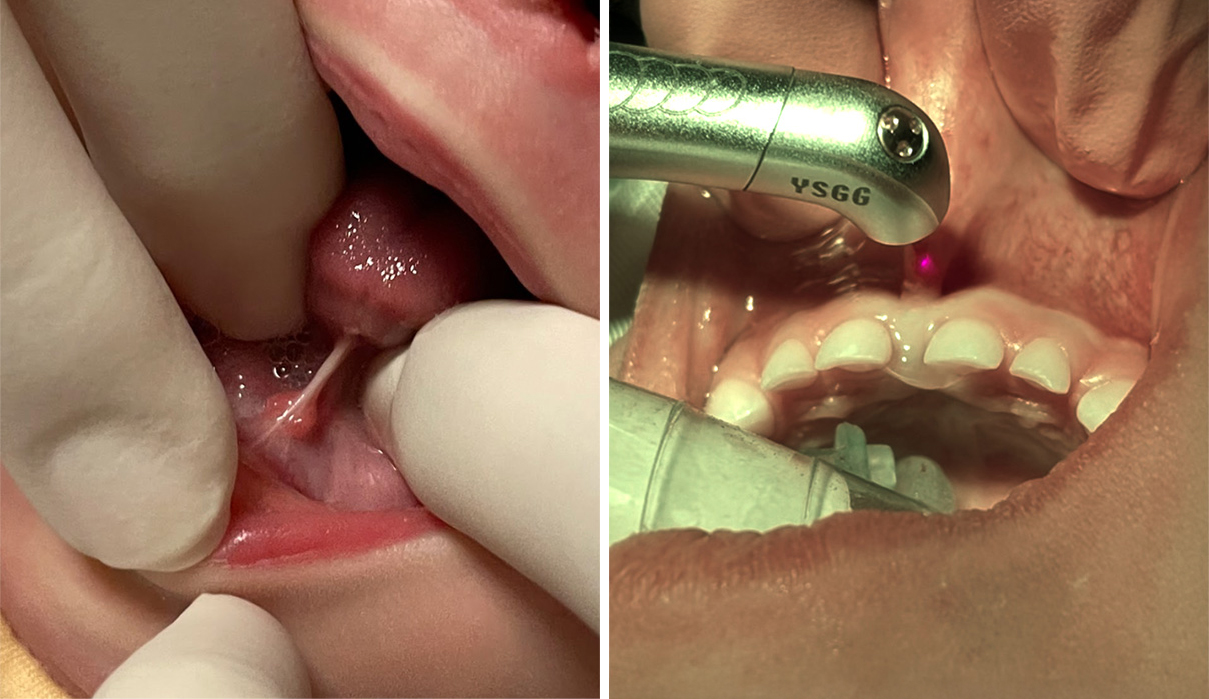
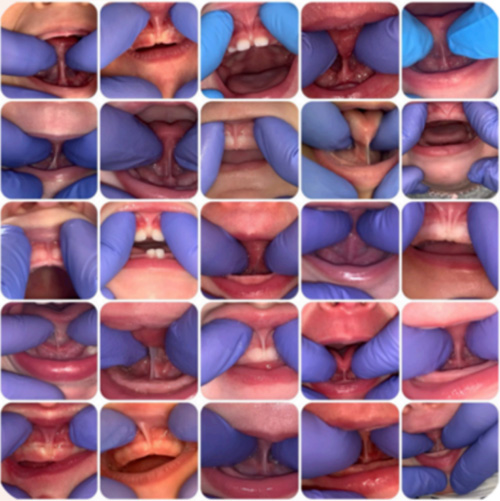
Examples of When Frenectomies were Needed
Your first visit will be a detailed frenectomy consultation with one of our pediatric dental specialists. We take the time to understand your concerns and evaluate your child’s oral anatomy and function—including the tongue, lips, cheeks, jaw size, and movement.
We’ll also screen for head and neck tension, body asymmetry, and how these factors may be contributing to your child’s symptoms. Our team looks at the whole picture.
If a tongue-tie or lip-tie release is recommended, we’ll explain:
- What a laser frenectomy involves
- The risks and benefits
- Healing expectations and post-op care
- Whether same-day treatment is possible
We also work collaboratively with lactation consultants, feeding therapists, and bodywork providers to ensure your child gets comprehensive support before and after the procedure.
-
Why We Use a Laser for Frenectomies
At GRiN, we use a laser to perform frenectomy procedures because it’s safer, faster, and more comfortable—especially for infants and young children.
Advantages of Laser Frenectomy:
-
- Minimally invasive and gentle on tissues
- No stitches or general anesthesia required
- Often no need for topical or local anesthetics
- Reduced bleeding, swelling, and discomfort
- Quicker recovery and improved healing
- Precise control during treatment—even if the child moves
- Bactericidal properties lower the risk of infection
Laser technology allows us to deliver a pediatric frenectomy experience that’s as stress-free as possible for both kids and parents.
-
-
Aftercare for Breastfed Babies After a Frenectomy
Recovery Scab
If your baby has had a tongue- or lip-tie release, it’s normal to have questions about what happens next. Healing can vary, and while some babies improve immediately, others take a bit of time to re-learn how to latch and feed effectively.
We strongly encourage continued support from your lactation consultant and feeding team after the procedure.
Pain Relief
Most babies experience minimal discomfort and can be soothed naturally through breastfeeding, skin-to-skin time, warm baths, or gentle massage. If your baby is unusually fussy, you may use infant Tylenol—just check with your provider for the appropriate dose based on weight.Healing Process
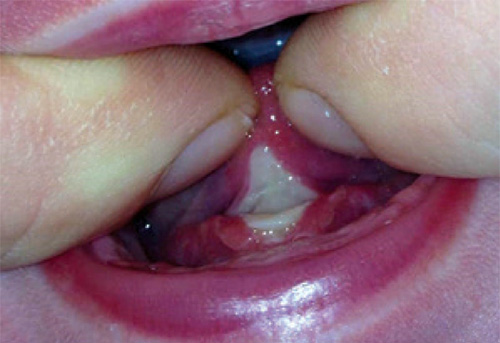
A white or gray patch will form at the incision site within 24–48 hours. This is normal healing, not an infection or thrush.You may notice mild puffiness of the upper lip—this should resolve within a few days. -
Stretching Exercises After Infant Frenectomy
Post-procedure oral stretches are extremely important to:
- Prevent tissue reattachment
- Support tongue mobility and function
- Minimize scar tissue
- Improve feeding and long-term outcomes
How Often?
Start as soon as possible and aim for every 4 hours in the first 48 hours. Ideally, continue before daytime feedings for the next 2 weeks. It is usually easiest to perform the stretches while positioned with the baby’s head in your lap as the doctor did for the procedure.
Tongue Stretch
- Place two index fingers under your baby’s tongue (on either side of the incision)
- Gently lift the tongue and push backward until you see the diamond-shaped area where the release was done
- Hold for 3 seconds, then release
- Repeat 1–2 times
Lip Stretch
- Use thumbs and index fingers to lift your baby’s upper lip until it reaches the nostrils
- Hold for 3 seconds, repeat 1–2 times
- Gently massage just below the nose afterward
These exercises may feel awkward at first but are key to long-term success. If you stop and your baby begins feeding poorly again, restart stretches for a few days.
Hear From Families Who’ve Been Where You Are
Our Promise to You
At GRiN Pediatric Dentistry & Orthodontics, we know that deciding to pursue a frenectomy for your child can feel overwhelming. Our job is to give you clear information, honest recommendations, and a calm, gentle experience for your little one — from consultation through recovery.
If a frenectomy is right for your child, you’ll leave feeling confident. If it isn’t, you’ll leave with answers. Either way, you’ll never feel rushed or pressured.
Ready to get started? Reach out to the GRiN location nearest you.
Call Our Lakewood Office Call Our Aurora Office Call Our Centennial Office Call Our Northglenn Office Call Our Denver Office Call Our Brighton Office
"*" indicates required fields


At GRiN, we use a laser to perform frenectomy procedures because it’s safer, faster, and more comfortable—especially for infants and young children.